


29 Jun SEEKING MEANING IN THE AI AGE: KOREA’S SPIRITUAL REVIVAL
South Korea is experiencing a quiet but powerful cultural shift. As younger generations navigate the pressures of the AI era, many are turning inward — reaching for ancient spiritual practices to find meaning, identity, and emotional grounding. Shamanism, fortune-telling, and destiny-themed rituals are moving from the margins to the mainstream, fuelled by K-content and a new appetite for self-discovery.
Battle of Fates: When Shamanism Becomes Prime Time
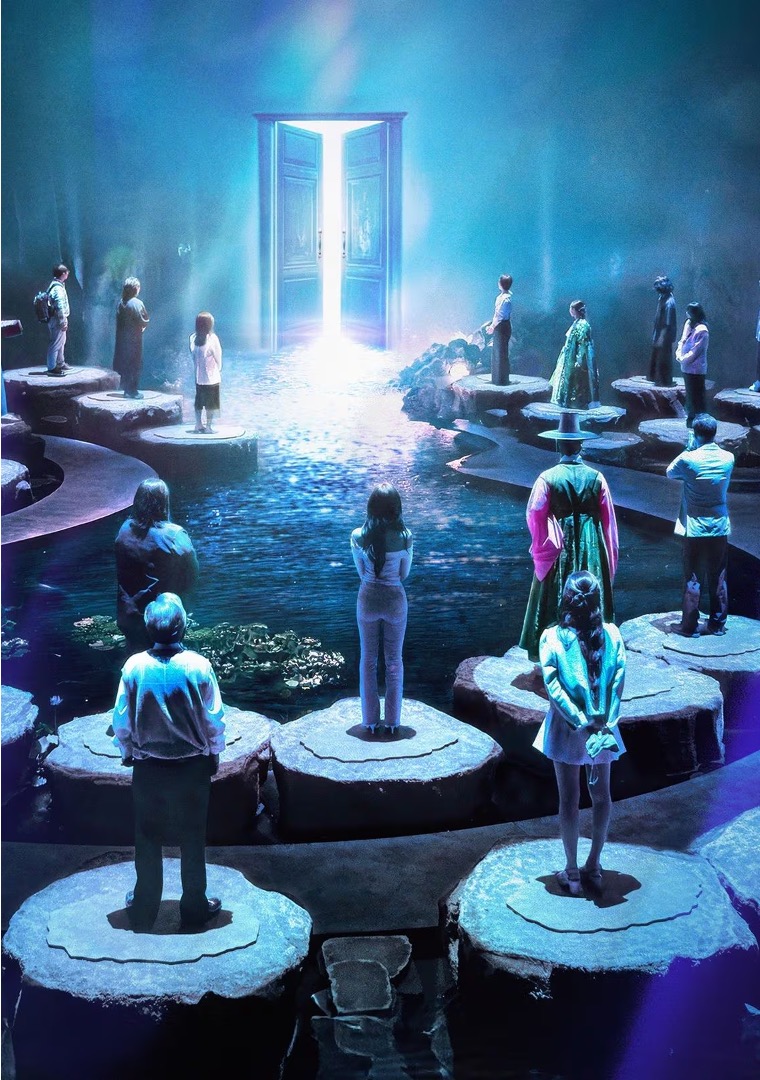
Picture : Disney +
In early 2026, Disney+ Korea aired Battle of Fates, a reality competition show bringing together 49 practitioners from different fortune-telling traditions — Korean shamanism (mudang), saju, tarot, and face reading — competing through challenges designed to test the accuracy of their predictions.
The cultural impact was immediate. During its Feb–Mar 2026 run, Disney+ Korea’s monthly active users rose 28%, from 3.17M to 4M, with 660K new downloads.
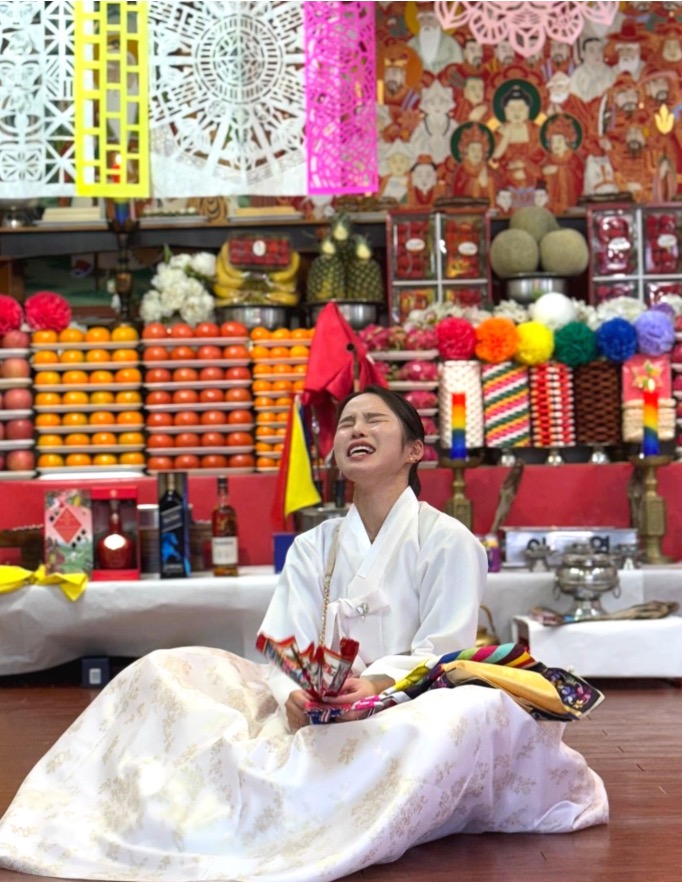
Beyond the numbers, the show opened a rare window into K-Shamanism — a tradition long considered mysterious and difficult to access. Through scenes of shamanic shrines and spirit-invoking rituals, it reframed mudang practice as a performative cultural ritual rather than simple superstition.
“The show replaced a lot of misconceptions and ignorance around Korean shamanism with humanity.” — Instagram user @erwiniaa
The Breakout Stars of K-Shamanism
Following the show’s success, several young mudang gained mainstream recognition.
Lee So-bin (이소빈), a 26-year-old mudang with 74K Instagram followers, became one of the show’s breakout figures for her sharp readings and youthful image. Her consultations are reportedly fully booked through 2029.
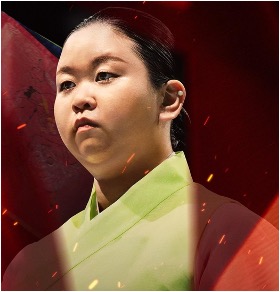
Seolhwa (설화), with 61K followers, gained attention for her readings focused on communicating with deceased loved ones — helping clients navigate grief and emotional closure.
Mount Gwanak: The New Luck Destination
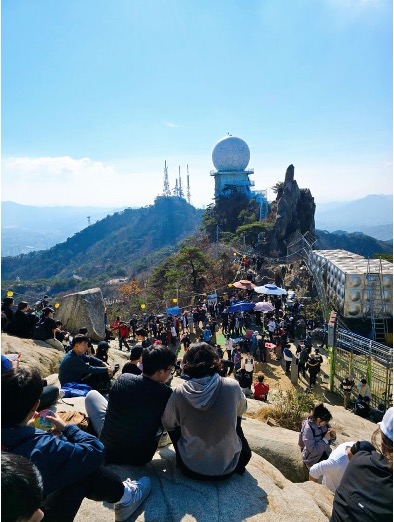
In February 2026, fortune-teller @Park Seong-jun appeared on tvN’s popular talk show You Quiz on the Block and advised viewers: “When luck is not going your way, go to Mount Gwanak.” The comment sparked a viral moment. Naver searches for “Gwanaksan” tripled — from 27,300 to 78,700 — and visits to the Seoul Hiking Tourism Center’s Gwanaksan branch rose 41.2% year-on-year.
 I
I
t is a telling example of how fortune-related content is now shaping real-life consumer behavior.
Fortune Adventure 2026: A New Consumer Category
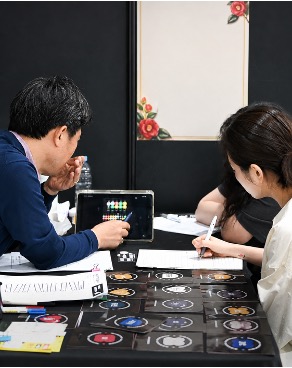
In May 2026, Seoul hosted Korea’s first Fortune Lifestyle Fair. Over four days, Fortune Adventure 2026 attracted around 13,000 visitors, 150 consultants, and 70+ consultation booths.
Three key dynamics stood out:
- Saju as life navigation. The traditional practice based on birth date and time was among the most popular consultation categories, with visitors seeking advice on careers, relationships, and major life decisions.
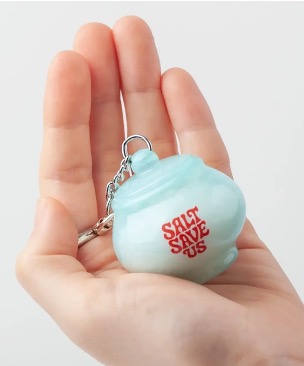
- Fortune as lifestyle consumption. Brands like @tenseoul transformed traditional ritual objects — such as salt, a symbol of purification — into contemporary lifestyle products, bringing fortune culture into everyday aesthetics.
- AI-powered fortune. Digital platforms such as Hellobot offered AI-generated saju portraits and personalized fortune content based on birth information, signalling that ancient belief systems and new technology are finding common ground.
What This Tells Us
Korea’s spiritual revival is not a nostalgic retreat. It is a forward-looking response to uncertainty — a generation repackaging heritage into new forms of meaning-making. For brands and cultural observers, “Lucky Maxing” is an emerging consumer behavior worth watching closely.
Tags: Korea / Lifestyle / Shamanism / K-Content / Cultural Trends / Fortune
Contact us to learn more about contemporary Asian markets.
No Comments