


23 Feb AI in South Korea: Between Fast Adoption and Tension
Google Gemini 3’s makes a hit in South Korea
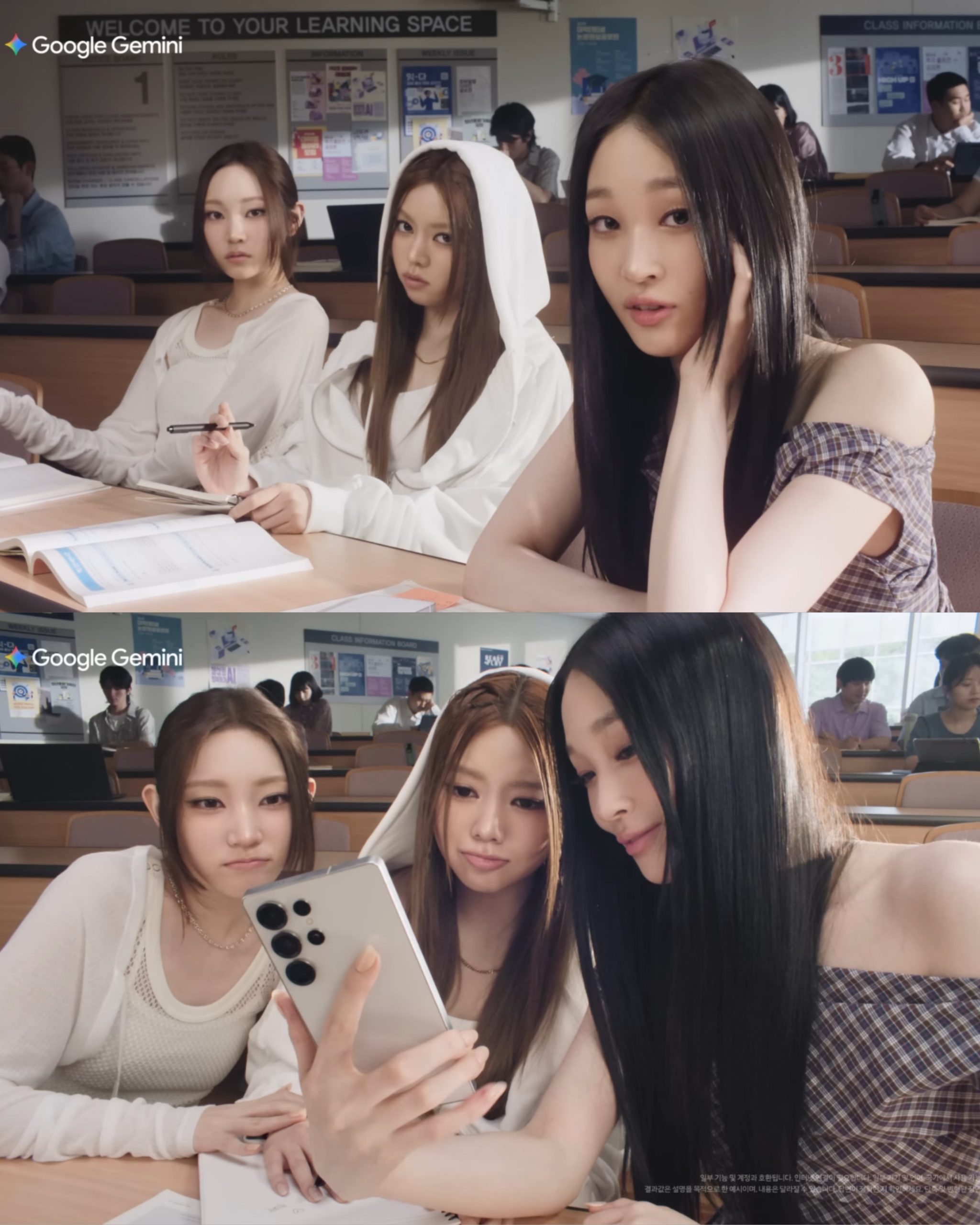
Google Gemini 3’s global launch in November 2025 has challenged ChatGPT’s leading position in generative AI. Within three months, South Korea became the second-largest market for Gemini’s paid subscriptions on the Apple App Store, generating around $21 million. (Sensor Tower)
This reflects Korean consumers’ strong willingness to pay for advanced technology and openness to new offerings. Korea also ranks first globally in AI-generated content viewership, with AI “slop” channels attracting more views than in any other country; one channel alone, Three Minutes Wisdom, has reached 2 billion views. (Kapwing)
Meanwhile, concerns over AI misuse have led top universities to restrict AI tool usage and tighten monitoring, highlighting the tension between rapid adoption and institutional control, while oversea schools are embracing it.
South Korea Accelerates Toward a Nationwide AI Ecosystem
Last December, science and ICT minister Bae Kyung-hoon announced that Korea begins the full-scale construction of its national AI ecosystem in 2026.
Yet despite this policy momentum, Korea has shown a more complex social response. Public distrust and the strong influence of labor unions that resist to technology adoption, particularly when AI is perceived as a threat to jobs or social stability.
This tension is echoed in culture, most recently in No Other Choice, a film by acclaimed director Park Chan-wook, which offers an ironic portrayal of labor displacement and moral ambiguity in the AI era.
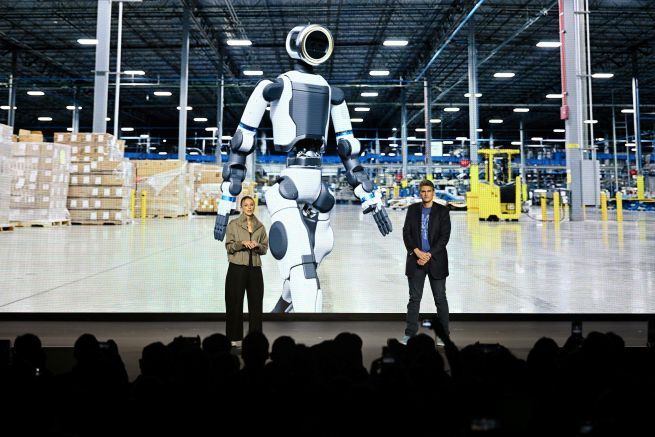
Hyundai Motor Group introduces its humanoid robot Atlas during its CES press conference, photo of @Yonhap
Key Takeaway for Brands
Robots succeed not just by improving efficiency, but by aligning with social acceptance, where productivity-focused automation faces resistance, emotionally integrated home AI gains trust.
Contact us to learn more about the beauty, luxury market trends & strategy in Korea
No Comments