


06 Jan How Slow Craft Is Redefining Urban Consumption in China?
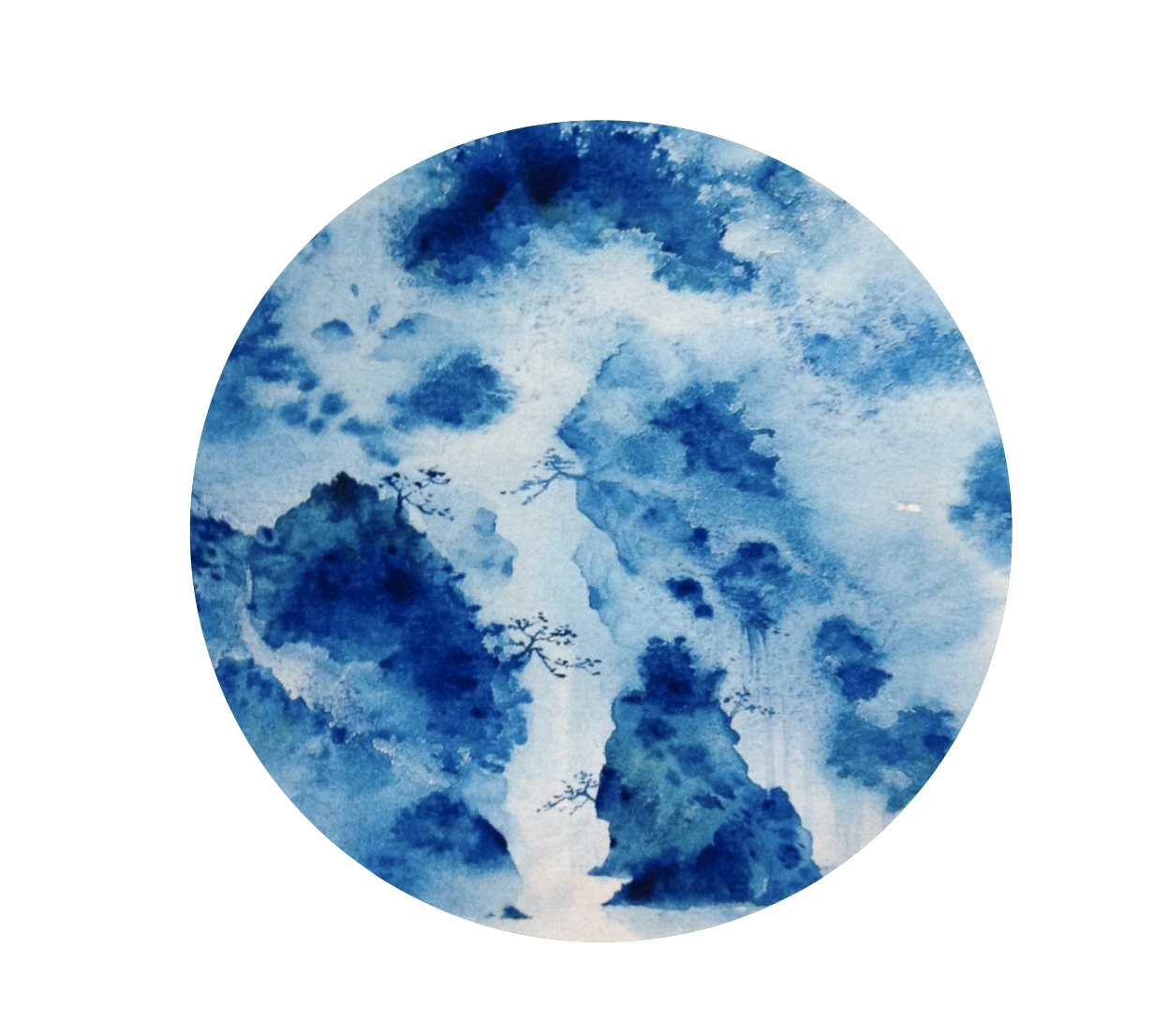
Cover picture @ASPIR
China’s urban and educated youth is shifting from intense 996 working culture to a “slow living” (#slowliving 880M views on RED) ideology, as the economic slowdown pushes young consumers toward meaningful, rational spending, while big-city burnout and rising mental-health anxiety drive them to seek emotional breathing space.
Beyond this lifestyle, it reflects a deeper shift in how urban Gen Z and young Chinese want to consume, connect, and define value in an age dominated by speed and digital acceleration. Therefore, slow craft (#artisancraftsmanship 2.5M views on RED) emerges naturally, it is increasingly materializing through handcrafts, artisanal retail spaces, and craft-rooted lifestyles that promise emotional grounding, cultural connection, and a sense of control in uncertain times.
What is Slow Craft?
Slow craft refers to the intentional revival of handmade, locally rooted, and artisanal crafts within urban China. From dedicated craft boutiques to lifestyle brands that prospect regional techniques or artisanal processes, this trend moves beyond nostalgia to position craft as a meaningful lifestyle choice. Unlike mass-produced goods, slow craft products tell stories of time, people, and place, qualities that increasingly resonate with urban consumers seeking connection and authenticity in their purchases.
Why Slow Craft Is Gaining Cultural Ground in Urban China
1. A Change of Rhythm From 996 to Slow Living
Years of high-intensity work culture, coupled with economic pressure and rising mental-health anxiety, have reshaped how young Chinese perceive success and consumption. The dominant society centred on rapid growth, constant optimization, and social standing is giving way to a desire for slower rhythms, rational spending, and emotional breathing space.
2. Emotional And Meaningful Consumption
In a context where economic slowdown has tempered consumer confidence and reshaped daily life, many young Chinese are rethinking the purpose of their purchases. There’s a recognizable shift away from fast, status-driven consumption toward slower, more intentional experiences that offer emotional value and cultural meaning.
3. Cultural Reconnection Expression
Urban consumers are showing growing interest in local traditions and intangible cultural heritage, not just as motifs, but as lived, contemporary expressions. Craft and artisan processes are among the most frequent forms of ICH integration in marketing and product stories, offering an accessible way to reconnect cultural roots with modern lifestyles.
Escaping the City to Reconnect with Craft
This shift is visible in the growing popularity of “city-escape weekends”, small-city travel, and even digital nomadism. Cities like Dali, Chengdu, Jingdezhen, and Guizhou have become magnets for urban youth seeking simpler lifestyles. What draws them is not only nature or lower living costs, but also the opportunity to embrace local culture through hands-on craft exploration.
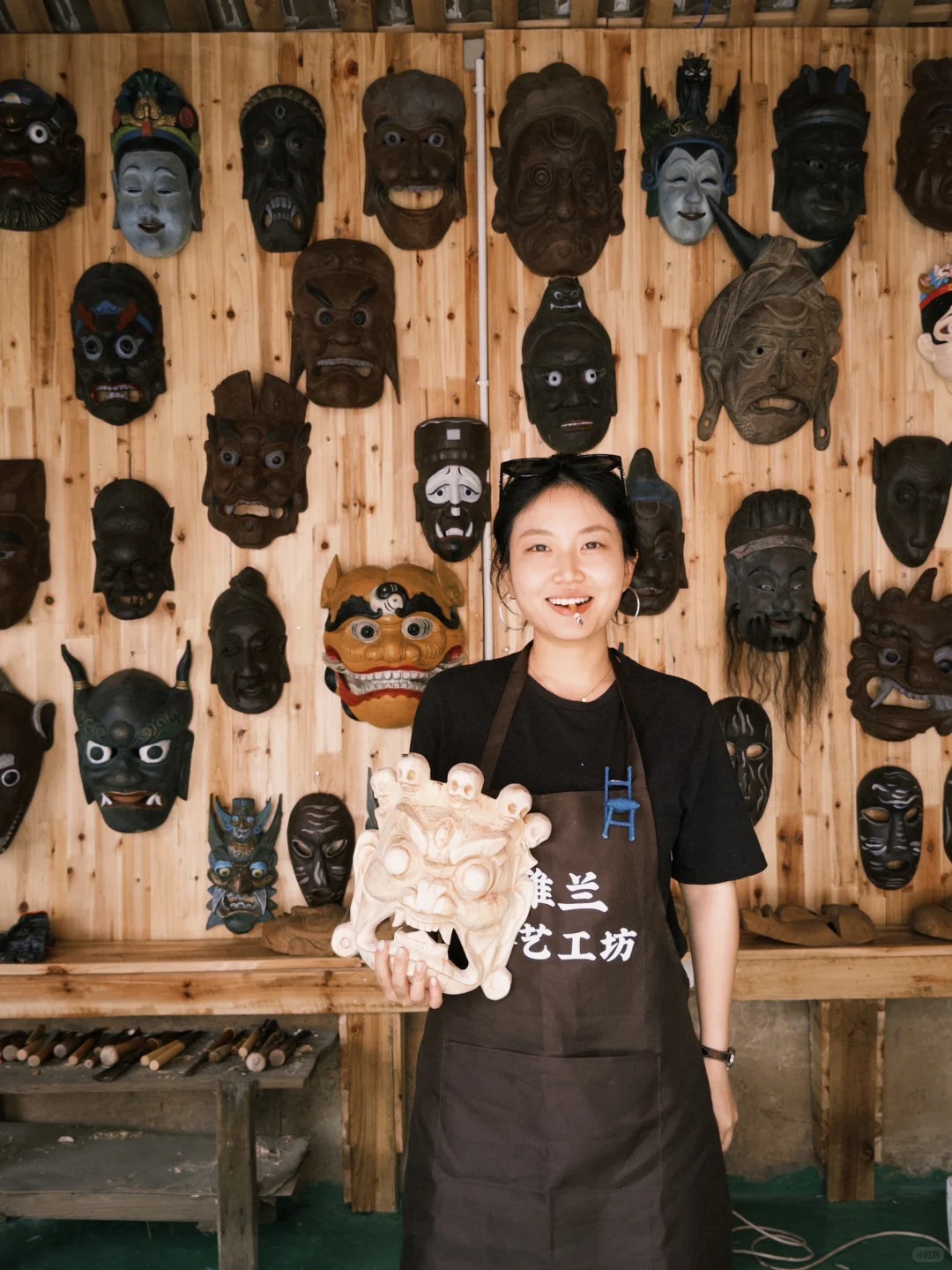
From learning Miao silver craftsmanship in Miao village workshops to making Nuo opera masks in Guizhou, handicrafts are becoming immersive experiences rather than passive souvenirs, and new consumption desires.
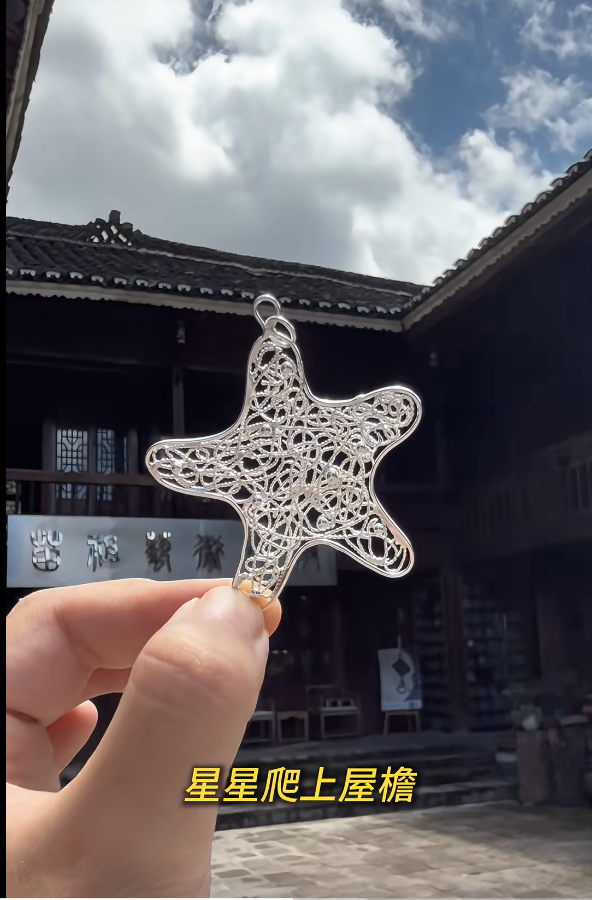
Miao silver craftsmanship, photo RED user @Xiaozeng Universe
Nuo opera masks, photo of RED user @Close2Me
Craft Returns to the Urban City: From Destination to Daily Life
Take @ASPIR 雀亦 (12K followers on RED), a craft-oriented lifestyle brand rooted in Guizhou’s handcraft traditions. Rather than emphasizing mass output, the brand values who, where, and how each piece was made, often including details about the village or community of original handicraftsman. It just launched new store in Hanghzou this September, the retail space is curated to invite reflection, to touch materials, hear stories, and appreciate craftsmanship.
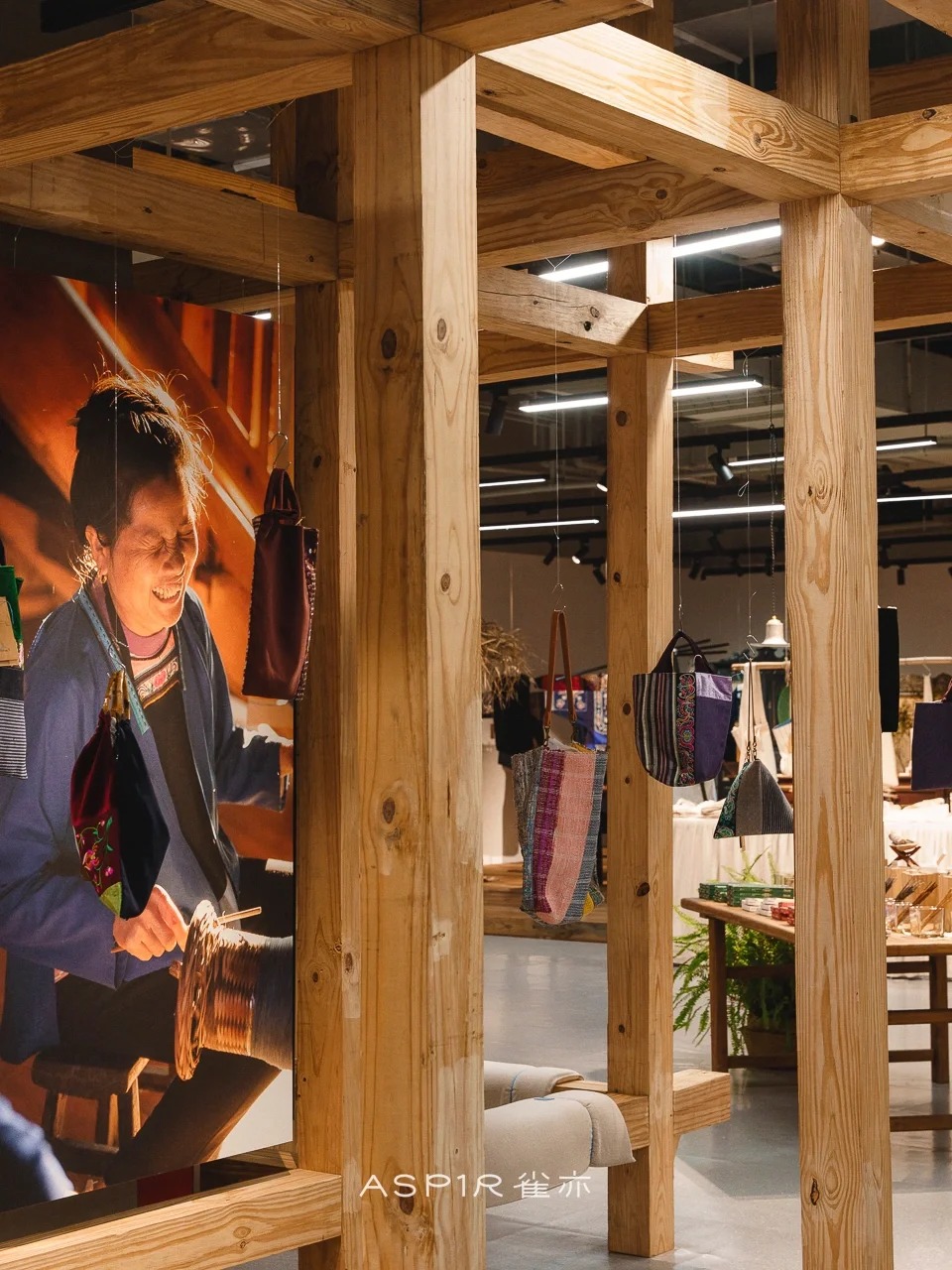
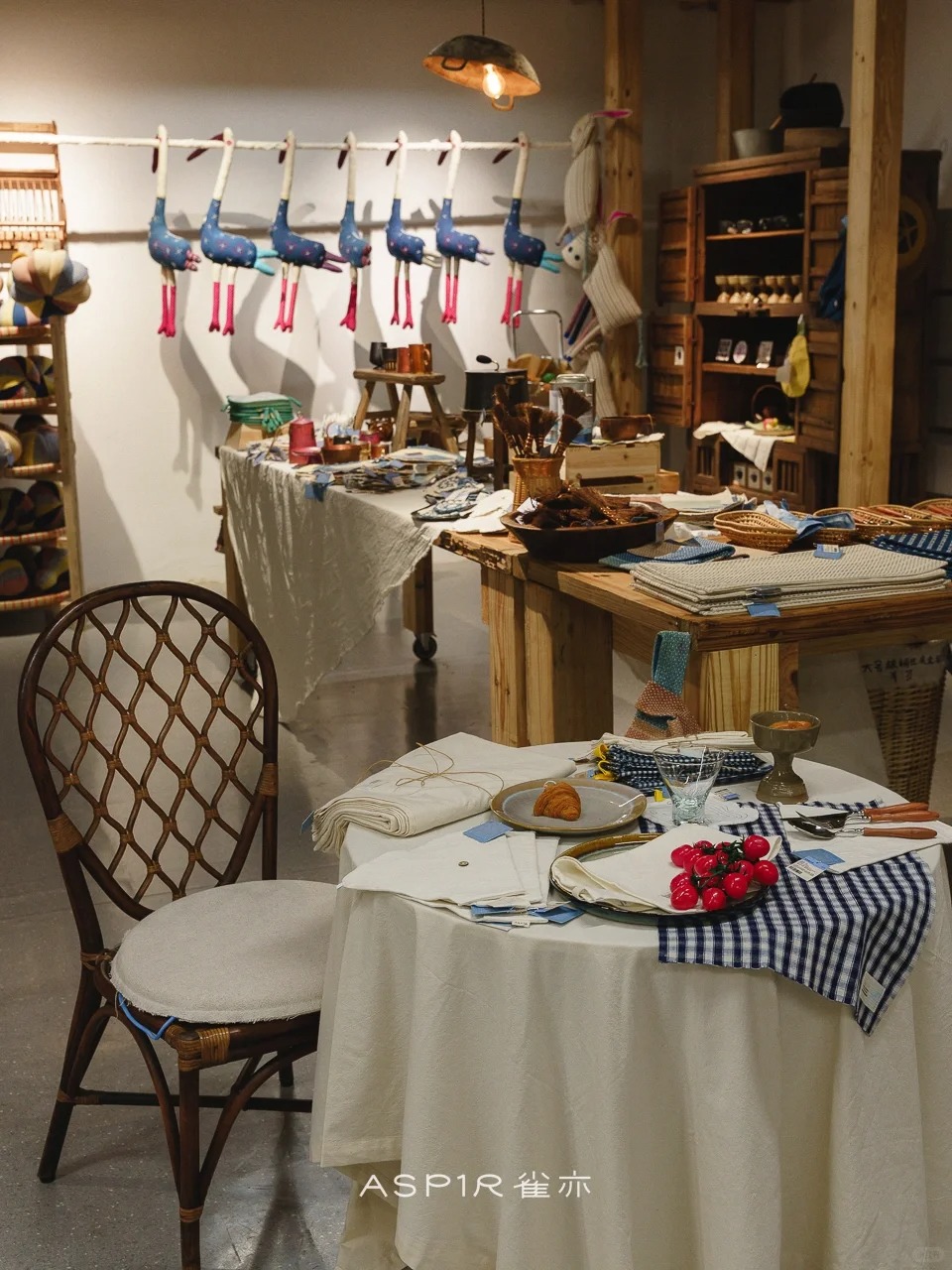
Photo of @ASPIR
What This Trend Means for Brands
Slow craft in urban China is not just a niche aesthetic trend, it reflects a broader redefinition of value among China’s young consumers.
Slowness is becoming premium: In a decelerating economy, time, care, and restraint increasingly signal quality. Slowness itself becomes a form of differentiation.
Craft must be structural, not decorative: Consumers are highly sensitive to authenticity. Craft cannot be reduced to surface-level storytelling; it must be embedded in real processes, real people, and real places.
Retail is shifting from display to presence: Successful craft-led spaces prioritize emotional immersion over efficiency, encouraging consumers to stay, feel, and resonate.
Translate local culture into contemporary value: Leverage local techniques, materials, and narratives in ways that resonate with modern life, without flattening them into clichés. This also aligns with the larger guochao wave of cultural confidence.
Local culture is a living resource: Rather than nostalgia, handcrafts are being reframed as contemporary tools for emotional grounding, aligning perfectly with Gen Z’s search for meaning.
Looking Ahead
As urban China continues to slow down, handcrafts are emerging as cultural anchors, tangible, human, and emotionally reassuring. For brands, slow craft offers more than a design language: it provides a strategic lens into how young consumers are redefining success, comfort, and fulfillment in everyday life. In this new landscape, meaning is no longer found in speed or scale, but in time well spent, hands well used, and stories well told.
Cover picture @ASPIR
No Comments