



06 Jan Seoul Turns Christmas Holiday Into Winter Ritual
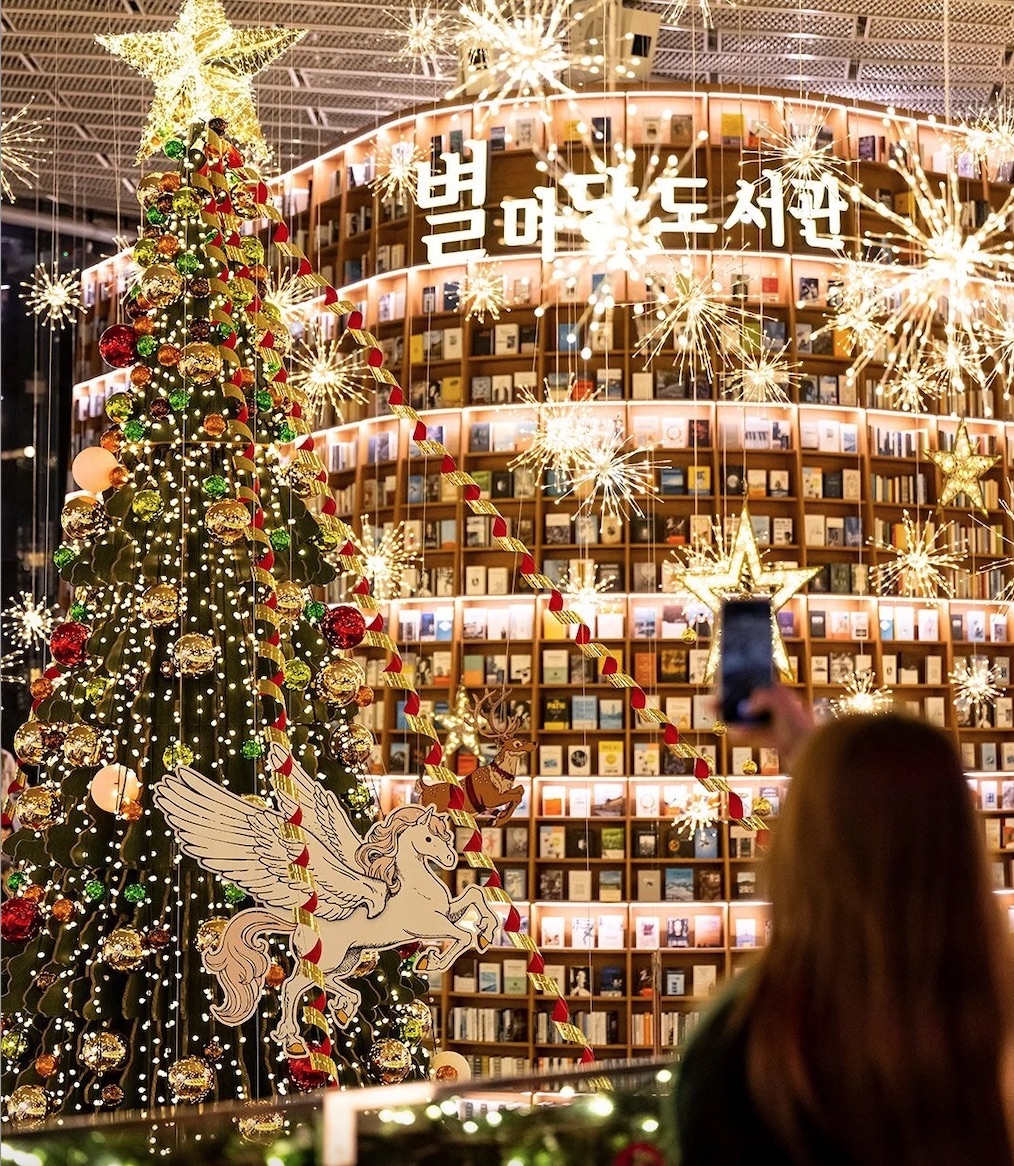
Cover Picture @COEX Starfield Library
Christmas inKorea may not be as widely celebrated as in western countries, but that doesn’t mean it goes unnoticed. The concept of Christmas in Korea is primarily divided into two categories: as a couple’s celebration or as a religious holiday for christians to be spent with family.
Is Christmas a second Valentine’s day in South Korea?
In Korea, Christmas is often compared to Valentine’s Day; especially among younger generations, who see it as a day for romance rather than tradition. Couples typically celebrate with candlelit dinners, meaningful rituals, and dreamy outings across the city.
Many even try to align their 100th-day anniversary with Christmas. In Korean dating culture, the 100th day is seen as the first major milestone before an official anniversary. This timing often begins with Gobaek Day (고백데이, September 17), when people traditionally confess their feelings; if the confession leads to a relationship, the couple’s 100th day naturally lands on Christmas, turning the holiday into the perfect stage for their first celebration together.
As a result, younger Koreans reinvent Christmas as a romantic, visually driven holiday, marked by dates, gift exchanges, and strolls through Seoul’s illuminated winter streets.
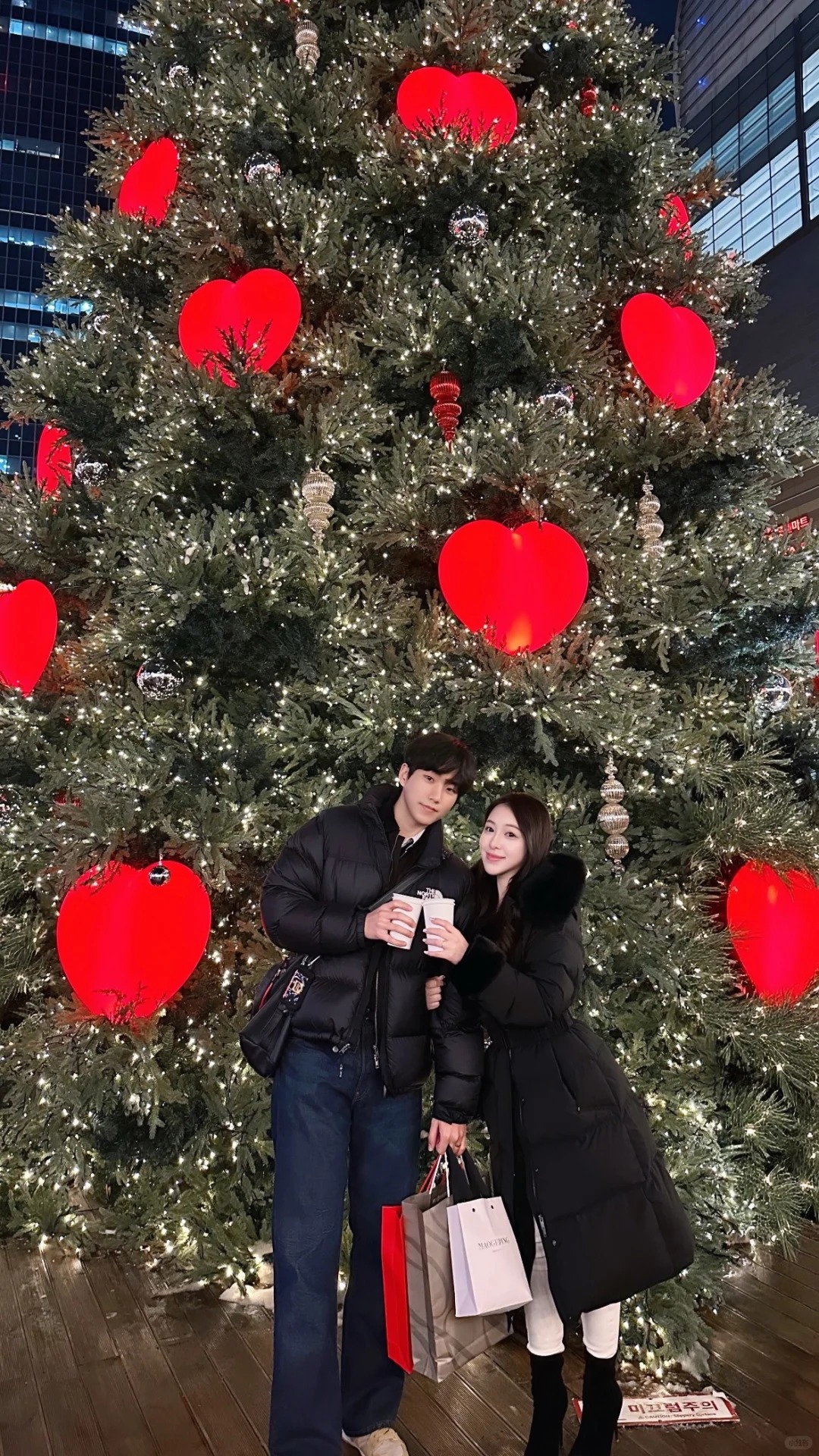
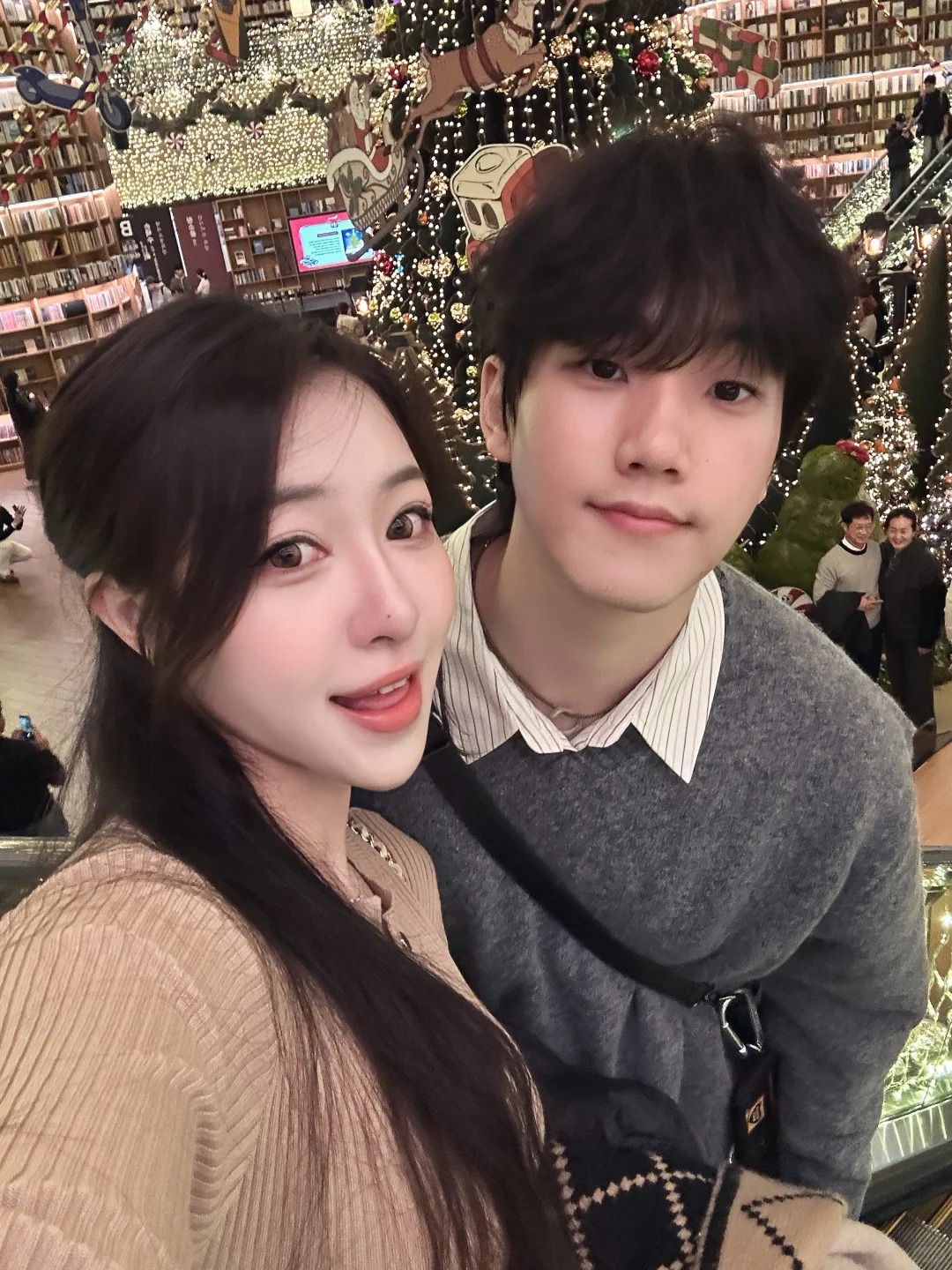
Photo of RED usee @Xiaohetao
Koreans reinterpret Christmas from sacred gathering to social winter season
Although Buddhism remains the dominant religion in Korea, about 30% of Koreans are Christian, mainly Protestant, and celebrate Christmas as a religious holiday, attending church services and sharing a quiet day with family. Older generations, in particular, keep celebrations simple and intimate.
For most single or non-Christian Koreans, Christmas functions as a light, social winter occasion rather than a major tradition. It’s a day to enjoy Seoul’s seasonal experiences: immersive installations, pop-up markets, light shows, and ice-skating spots that turn the city into a festive playground.
Dessert becomes the Christmas ritual
Since Christmas isn’t a traditional holiday in Korea, there are no customary festive dishes. The only food closely tied to the celebration is dessert—specifically the Christmas cake, a simple sponge cake adorned with sugar-paste decorations.
In a culture shaped by photo-driven trends and offline experiences, Christmas-themed cafés have become must-visit spots for seasonal ambience and picture-perfect moments. Among the most talked-about treats is a Christmas-tree-shaped dessert from @Western Chapter (13K followers), while @Magaret (9K followers) is known for offering some of the city’s most elaborately decorated holiday displays.
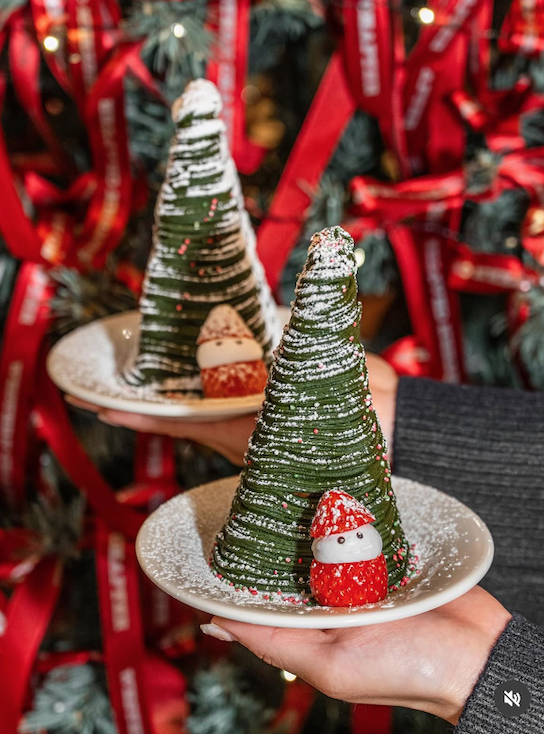

Photo of @Western Chapter and RED user @Lulin at @Magret Café
The Hyundai Seoul “H-Village” : The trendiest spot
Shopping malls become the main stage of holiday decoration, public spaces, cafés and shops designed for immersive photo zones, and that drive intense social media traffic (e.g. one of the #seoulchristmas post has 933k views on instagram).
Since its launch in 2021, The Hyundai Seoul has become one of Seoul’s most sought-after winter destinations. It transforms its central courtyard into an immersive, walk-in fairytale village. This year’s edition, “Atelier de Noël” (1 Nov–31 Dec 2025), replaces Santa with the brand’s mascot, Harry the baby bear, as the storyteller of the season. Snow-dusted cabins, lantern-lit paths, and layers of evergreens evoke a forest workshop atmosphere.
The experience blends nostalgia and craftsmanship, guiding visitors through themed zones such as Santa’s Home, the Letter Workshop, the Gift Studio, and the Packaging Room, turning Christmas into a curated narrative journey.
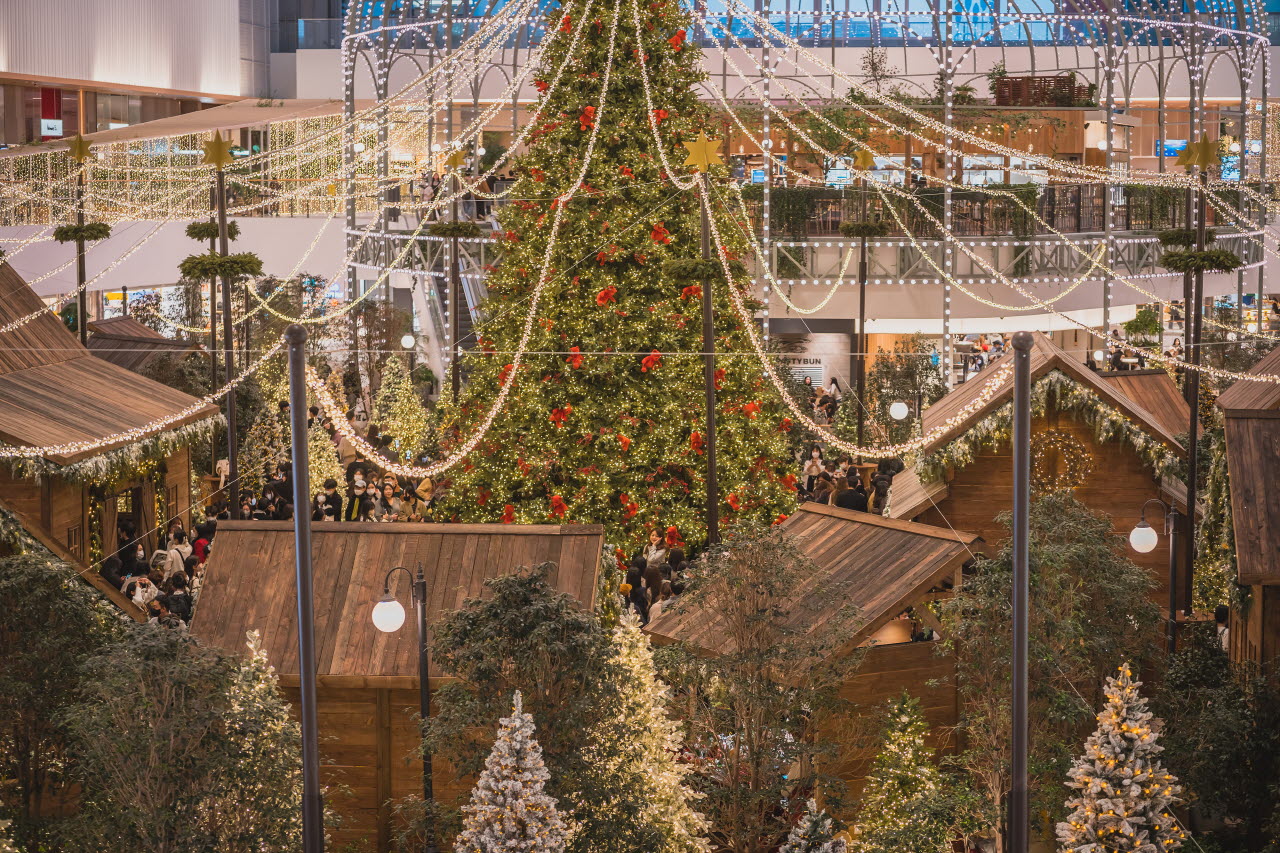
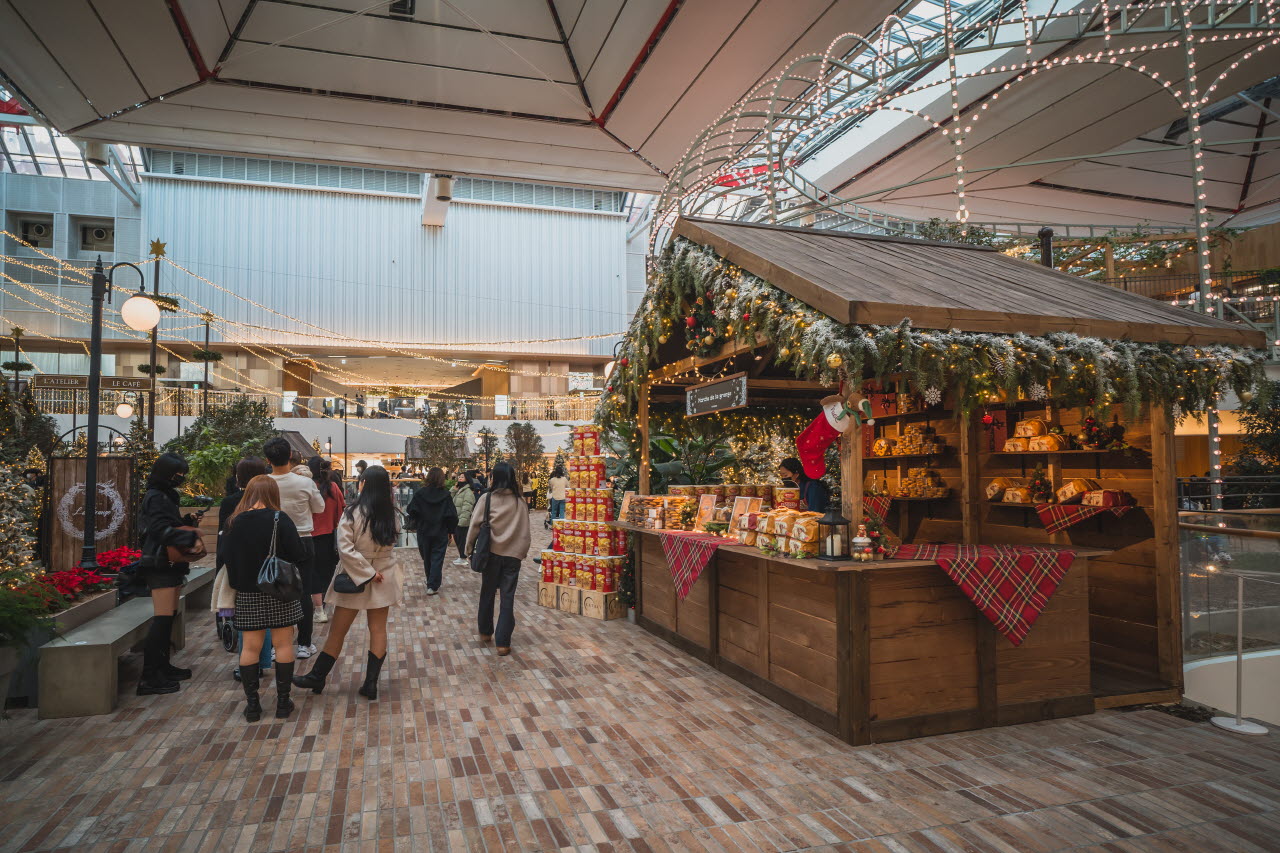
Photo of @The Hyundai Seoul
Contact us to learn more about the beauty, luxury market trends & strategy in Korea
No Comments